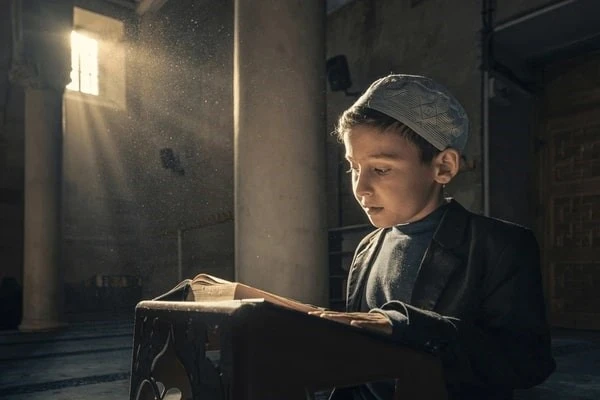
Songs without instruments, flashcards, matching games, and daily review can also help children remember the names with less pressure. For example, when teaching Ar-Rahman, explain Allah’s great mercy and ask children to name examples of mercy they see around them.
8 Easy Ways to Teach the 99 Names of Allah to Kids
1. Start With 3 to 5 Names of Allah at a Time
Children do not need to memorize all 99 Names of Allah at once. Start with three to five easy names and teach their meanings before introducing more. Choose names that children can connect with their daily lives.
For example, begin with:
- Ar-Rahman: The Most Merciful
- Ar-Razzaq: The Provider
- Al-Khaliq: The Creator
- Al-Ghafur: The All-Forgiving
- As-Sami': The All-Hearing
Spend a few days practicing these names through speaking, listening, and simple questions. Before moving forward, ask your child to say each name and explain its meaning. Review older names regularly so children do not forget them.
2. Explain Each Name With Simple Everyday Examples
Children can learn Allah's Names more meaningfully when they connect each name to something familiar. Instead of giving long explanations, use examples from home, school, and nature.
Here are some easy examples:
| Name of Allah | Example for Kids |
|---|---|
| Ar-Razzaq | Allah provides food and water |
| Al-Khaliq | Allah created the sun, trees, and animals |
| As-Sami' | Allah hears our prayers |
| Al-Ghafur | Allah forgives those who seek His forgiveness |
After explaining, ask your child to give another example. You can also ask, "Which name reminds us that Allah hears our duas?" Such questions help children connect names with meanings.
3. Use Colorful Flashcards and Matching Games
Flashcards are a simple way to make learning Allah's Names more interactive. Write one Arabic name on the front and its English meaning on the back. Use large letters so younger children can read them easily.
Try these activities:
- Matching game: Match Arabic names with their meanings.
- Memory game: Turn cards over and find matching pairs.
- Quick quiz: Show a name and ask your child what it means.
Start with five cards and add more as your child learns. Keep the activity short and enjoyable. You can also let children decorate their own flashcards to make learning more personal.
4. Teach Allah's Names Through Short Stories
Stories make difficult ideas easier for young children to understand. Choose a short story that clearly shows the meaning of one of Allah's Names. You can use stories from the Quran or simple everyday situations.
For example, when teaching Al-Ghafur (The All-Forgiving), explain how Muslims should ask Allah for forgiveness after making mistakes.
Follow these steps:
- Tell the story in simple words.
- Repeat the name and its meaning.
- Ask what the child learned.
- Connect the lesson to something they can practice.
Keep each story short and allow children to ask questions afterward.
5. Play Audio Recitations and Practice Pronunciation
Listening to Allah's Names can help children become familiar with their Arabic pronunciation. Choose a clear recording that reads the names slowly, and check that the pronunciation is correct.
For a simple listening activity:
- Listen: Play three names from the recording.
- Repeat: Pause after each name and let your child repeat it.
- Recall: Stop the recording and ask your child to say the names independently.
Practice for five to ten minutes during a quiet part of the day. If children struggle with a name, repeat it slowly and explain its meaning again before continuing.
6. Include Allah's Names in Daily Duas
One of the most meaningful ways to teach Allah's Names is to use them during dua. Allah tells Muslims to call upon Him by His beautiful names in Surah Al-A'raf (7:180).
Teach children to choose a name that matches what they are asking for. For example:
- Al-Ghafur: "Ya Ghafur, forgive my mistakes."
- Ar-Razzaq: "Ya Razzaq, provide for my family."
- Al-Hadi: "Ya Hadi, guide me to what is right."
Practice one short dua together after Salah or before bedtime. Explain the meaning so children know why they are using that name.
7. Create a 99 Names of Allah Learning Chart
A learning chart helps children see which names they have practiced and which ones they still need to learn. Draw 99 numbered spaces on a large sheet and place it somewhere suitable and respectful.
You can follow this simple routine:
- Add a name after learning its pronunciation and meaning.
- Review previously learned names before adding another.
- Mark names that need more practice.
- Celebrate small milestones, such as learning ten names.
For younger children, use stickers or colored stars to track progress. Keep the chart clean and handle any written names of Allah respectfully.
8. Follow a Daily Review Routine With Fun Quizzes
Regular review is important because children may forget names they learned earlier. Research on learning shows that recalling information and reviewing it over several days can improve long-term memory.
Try this ten-minute routine:
- 2 minutes: Review yesterday's names.
- 3 minutes: Practice one or two new names.
- 3 minutes: Ask questions about their meanings.
- 2 minutes: Recall names learned earlier in the week.
For example, ask, "What does Al-Khaliq mean?" or "Which name means The All-Hearing?"
Final Words
Teaching the 99 Names of Allah to kids becomes easier when you use simple meanings, daily examples, fun activities, and regular practice. Focus on helping children understand each name rather than rushing through memorization. With patience and encouragement, they can gradually learn the names and connect them with their faith.
Want to make Quran and Islamic learning easier for your child? Explore Quran Grace and help your child build a strong foundation in Islamic knowledge with guidance from qualified teachers.

About the Author: Times Prayer Salah Team
We are a team of researchers and developers dedicated to providing accurate, scientifically calculated Salah timings and Islamic information for global communities. Verified data for a seamless spiritual experience.